
Italian Education
Studying in an academic culture different from your own allows you to develop new skills and new work methods. “In my fourth-year seminars and courses, I can tell when students have studied in Europe,” a Middlebury College professor said. “The European system teaches them to become more independent and self-directed, and greatly improves their intellectual curiosity.”
Enrolling in regular courses at an Italian university alongside Italian students offers a unique opportunity for deepening your intellectual and linguistic growth, as well as providing additional opportunities for social immersion. Students enrolled in “mainstream” courses (regular university courses) are subject to both the privileges and restrictions established by the university administration and must abide by the rules established by the School in Italy regarding attendance and assessment.

Course Format
It is important to note that a course in an Italian university is usually a series of lectures, presentations, or seminars designed to guide students in their study and preparation for a final examination. Most exams are oral, although more and more there may be written examinations. Lectures are meant to help students approach an immense body of knowledge from a more informed viewpoint. After taking detailed notes in class, it is up to the student to pursue their own further investigation of the subject matter. Good note-taking is absolutely crucial in the Italian system. A typical university course is made up of academic sections called moduli. Courses at the university entail classroom instruction and independent preparation by the student of critical readings, texts, etc. assigned by the docente, who plays a very important part in the final exam. Students strive to follow the professor who leads them, but does not necessarily tell them where they are going. This may explain why syllabi and assignments are not organized as they are in the U.S.
Most courses meet three times a week for two hours. Professors usually provide extensive bibliographies and expect students to work “judiciously.” The Italian university system has a separate program for non-frequentanti or distance-learners. Although this option may be offered by the local institution, this is not open to School in Italy participants. The School in Italy program requires students to attend university classes regularly as frequentanti (in-class students) or risk failure in the course.
Academic Expectations
Professors will probably not distribute any handouts or syllabi for the course; general information regarding the class is normally found online. You should not take this to mean that your professors do not expect you to work. Professors assume that students will do large amounts of reading and research outside of class. In the Italian system, students must organize themselves to complete the bibliography set out by the professor. They are expected to read the material and be prepared to answer questions at the final exam on what was presented at the lectures, information found solely in the texts indicated by the professor, or a combination of both. The School in Italy program will organize seminar sections (tutorials) for university classes in order to help you prepare for the final exam.
The Italian university system has its own rhetoric and codes that students (including international students) should learn. It includes acquiring a new vocabulary, way of thinking, and style.
Most Italian professors understand that international students temporarily registered at the university will not have the same preparation and methodology of study as local students. Still, they expect that all students make an effort to acquire the most from their class and to put in the time that is needed for the preparation of the final exam.
As the academic structure of courses at the local university are quite different with respect to the North American system, to help students prepare for the exams and better understand the methodology, seminar sections for classes at the university may be requested. The seminar sections meet once a week for an hour and a half for a maximum of six meetings. Once organized, attendance is required and dates will not be changed to accommodate students’ non-academic schedules. Therefore, we recommend you wait to receive your schedule before planning any travel.
The seminar sections are an opportunity to review course content, ask questions, understand how better to approach autonomous study and give you the opportunity to practice your writing and speaking skills. Seminar sections should be considered as only partial preparation for the exams at the university; students are expected to round out their preparation with autonomous study.
Tutorials
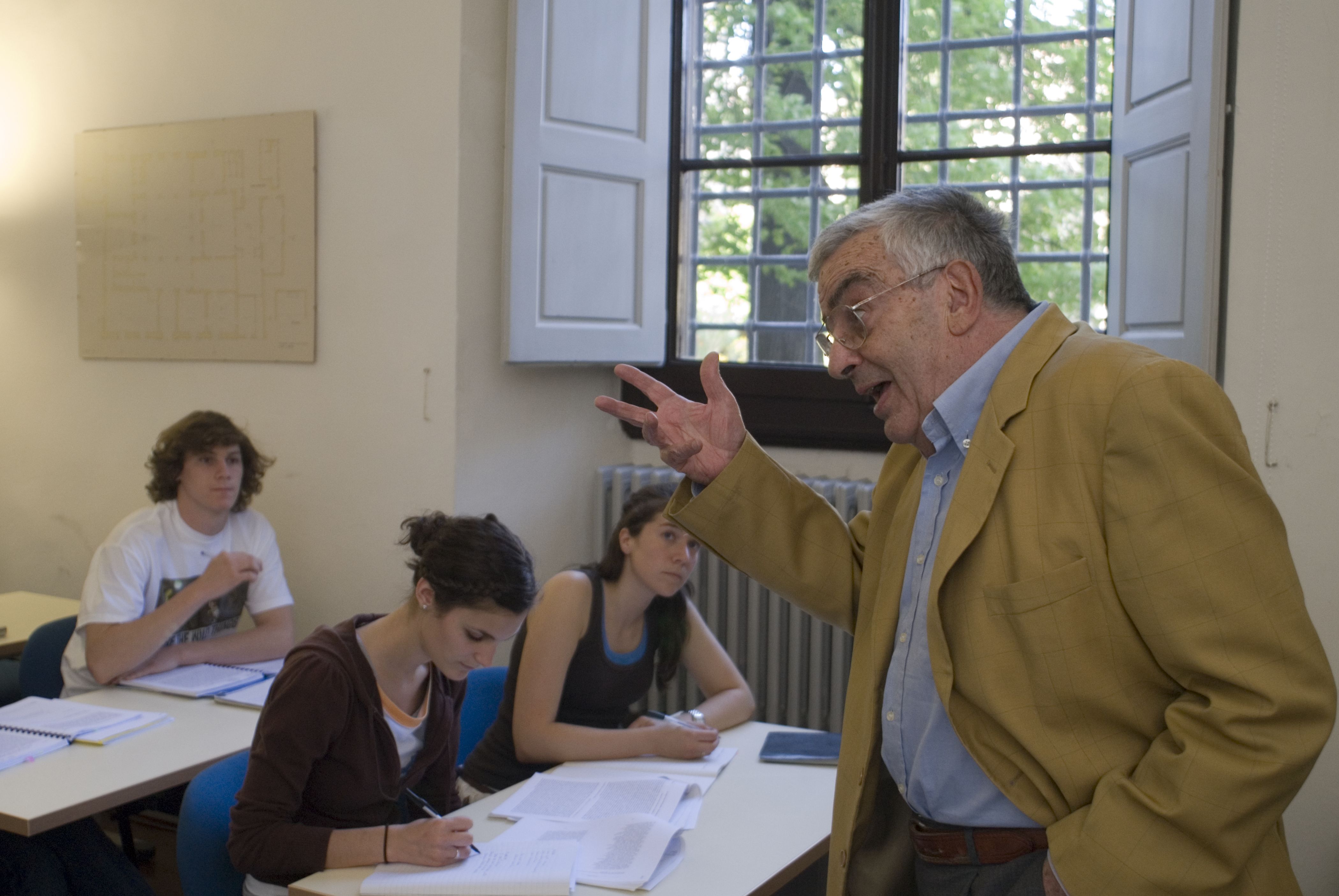
As the academic structure of courses at the local university are quite different with respect to the North American system, to help students prepare for the exams and better understand the methodology, tutorials for classes at the university may be requested. The tutorials meet once a week for an hour and a half for a maximum of six meetings. Once organized, attendance is required and dates will not be changed to accommodate students’ non-academic schedules. Therefore, we recommend you wait to receive your schedule before planning any travel.
The tutorials are an opportunity to review course content, ask questions, understand how better to approach autonomous study and give you the opportunity to practice your writing and speaking skills. Tutorials should be considered as only partial preparation for the exams at the university; students are expected to round out their preparation with autonomous study.
Exams
As a registered student at the university, you are required to take final exams during the official exam period and at the same place and time as the Italian students, making sure to do so within the semester deadlines set by the School in Italy program, even if students on other study abroad/exchange programs are allowed to opt out or rearrange exam schedules. If you miss the final exam for a course, you risk failing! If you miss numerous lectures, you will no longer be considered an in-class student and may not be allowed to sit for final exams. School in Italy students may not take exams as non-frequentanti and will receive an F if they do!
Exam dates either at the various universities or at the Sede will not be changed to accommodate students’ travel and/or summer job/internship plans, even if individual professors agree. No exceptions will be made, so please don’t ask.
