
Expenses
Approximate Program Costs
Please remember that Middlebury College only bills you for the program tuition (and the study abroad fee for Middlebury students); the remaining expenses will be out-of-pocket. An estimate of program costs for full-year and semester students can be found here on the Dates & Fees page of the School in Chile website. Figures may vary depending on individual lifestyles and situations. Please note that the “personal” figure covers only some basic necessities (e.g. local transportation, personal items, cell phones, laundry, cultural activities, bank fees, etc.) and does not and is not intended to include students’ discretionary spending (e.g. entertainment and travel).
Fluctuating exchange rates make advanced planning of costs challenging. We advise that you overestimate your costs to accommodate these fluctuations. Please be sure to confirm the exchange rate shortly before your departure so that you budget accordingly.
Year estimates do not include the Southern Hemisphere summer break (mid-December to early March) for those students studying abroad for the U.S. academic year (early August to mid-July).
Expenses
Keep in mind that the amount of money you spend ultimately depends on the lifestyle you choose. One School in Chile staff member noted, “I would even make a direct relationship here: the less money you spend, the better and more authentic the immersion experience. Think of yourselves as sojourners or even better, anthropologists rather than tourists. Most often, the Chilean facilities used by foreign tourists are not t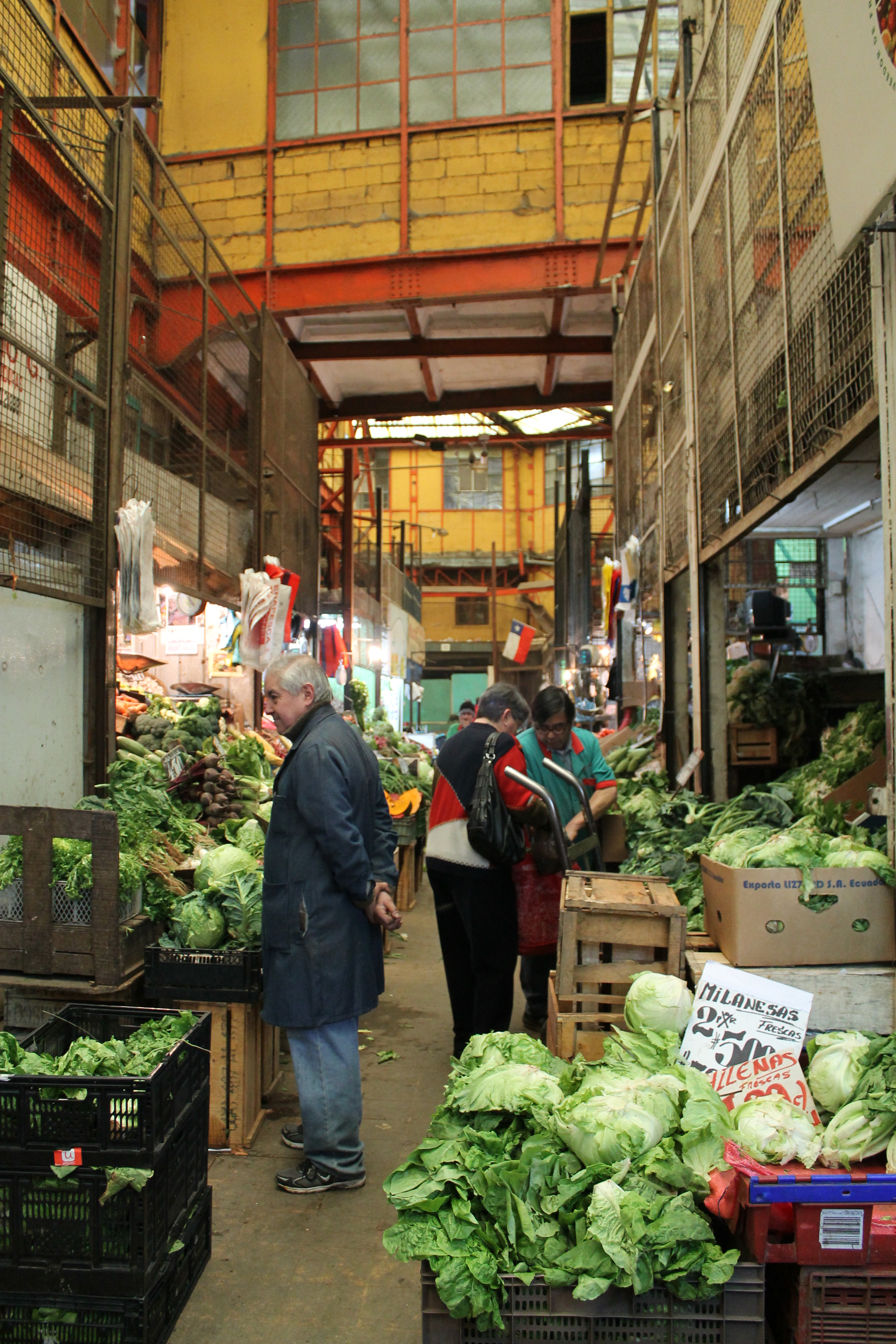 hose used by the locals. The more money you spend, the more you alienate yourself from a demographically representative Chilean experience and will fail to achieve one of the main objectives of the program.” Local university students, on average, spend far less money than U.S. college students, don’t travel out of the country (or out of their cities of study) as much, and are not often found in discos and pubs on weekday evenings. Most students in Chile will rarely have more than the equivalent of USD $5 with them at any one time. That said, in general, you should plan to spend at least as much in a given month abroad as you would at home. Remember to budget extra if you are planning to travel before or after the program. Plane tickets are often more expensive in Chile than in the U.S., but bus travel has remained relatively inexpensive and you can often save more by buying your plane and/or bus tickets in advance. Some students have also found that they spend more than expected on gifts. Students who plan on regularly sampling the nightlife of their cities should budget extra money for taxis (USD $5 to USD $15 per taxi ride).
Another factor that will contribute to your expenses is the fluctuating exchange rate which is common in Chile. You should keep track of these rates in order to become a more conscientious consumer.
